
Set Up Your Guardrails
Setting boundaries is not always easy. In fact, it can be one of the hardest lessons we learn. Yet boundaries are essential because they protect our peace, minds, hearts, and overall well-being.
Think of boundaries as guardrails along the road of life. Without them, we can drift in directions we never intended to go. We may welcome everything that comes our way, assuming it is good, only to discover that some things bring confusion, hurt, and unnecessary pain.
This doesn’t mean that good things won’t come into your life. They will. But without boundaries, we can remain open to things that are unhealthy for us. Sometimes, the good becomes overshadowed by the bad because we failed to recognize the warning signs early enough.
Guardrails help us navigate life with greater awareness. They help us recognize what is good for us, what isn’t, and what deserves a second look before we move forward. Rather than discovering halfway down the road that something is wrong—after our hearts are invested and walking away feels difficult—we can learn to notice the signs from the beginning.
Boundaries protect you, your mind, and your heart. They also help establish the tone for your life and what you allow to flow into it.
As I’ve continued my wellness journey, I’ve learned that boundaries are an essential part of caring for our whole selves. They apply not only to our relationships with others, but also to our sleep, stress, thoughts, time, and daily self-care.
When we establish boundaries, we begin to understand ourselves better. We become more aware of what brings us peace, what drains us, what we need, and what we can no longer afford to ignore.
This awareness gives us a standard against which to measure our experiences. Instead of accepting everything that comes our way, we can pause and ask: Does this align with what I know I need? Does it feel healthy? Is there something here I shouldn’t ignore?
That is the beauty of setting up your guardrails. You begin to recognize when something feels off, and you give yourself permission to respond instead of simply accepting whatever comes your way.
Learning to know ourselves, spend time with ourselves, and love ourselves with gentleness and sincerity helps us establish boundaries that are right for us.

1. Relationships: Protecting Your Head and Heart
Relationships are one of the areas where I’ve learned that boundaries are essential. For me, they have become a nonnegotiable part of my wellness journey.
A lack of clear boundaries can affect your mind, heart, and life in ways you may never have imagined. I wish I had understood this earlier; it might have saved me from significant betrayal and heartbreak.
Sometimes, life can feel like a movie you never signed up to be in. The situations are confusing, the hurt is unexpected, and you find yourself wondering how things became so complicated.
If that sounds familiar, it may be time to slow down and take a closer look at what is happening around you. When we’re deeply invested in a relationship, we can overlook things we might have noticed from a little distance.
Pay attention to how you feel after spending time with certain people.
Are you constantly drained? Do you leave feeling used, confused, hurt, or guilty? Does your peace seem to disappear every time you interact with them?
These feelings don’t automatically mean someone has bad intentions, but they are worth noticing. They may be signaling that something needs to change.
Recognizing When a Boundary May Be Needed
Here are a few signs that it may be time to establish a boundary:
- You regularly feel emotionally drained or exhausted after an interaction.
- You leave conversations feeling used or as though you’ve been taken advantage of.
- You frequently feel confused, hurt, guilty, or ashamed after spending time with someone.
- Your atmosphere shifts from peace to chaos almost instantly.
- You find yourself constantly explaining, defending, or questioning yourself.
- You feel responsible for everyone else’s emotions while neglecting your own needs.
These experiences are invitations to pause, reflect, and seek clarity. Rather than ignoring the signs, give yourself permission to examine what is happening and consider what needs to change.

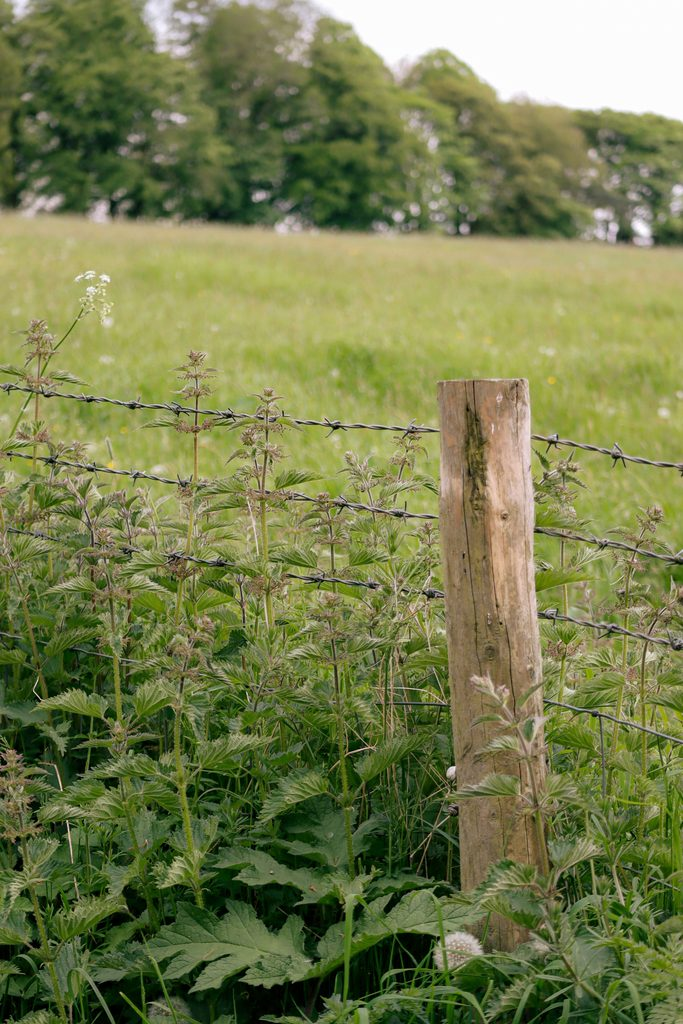
Small Guardrails and Stronger Guardrails
Not every relationship requires the same boundary. Some situations may need only a small adjustment, while others may require a much firmer limit.
Small guardrails might look like:
- Saying no when you don’t have the time or emotional capacity to say yes.
- Limiting how much time you spend on draining conversations.
- Being clear about what you are and aren’t comfortable discussing.
- Protecting time for rest, prayer, and personal responsibilities.
- Taking a pause before responding when emotions are high.
Stronger guardrails may be necessary when unhealthy patterns continue despite your efforts to communicate clearly.
These may include:
- Limiting contact or changing the way you interact.
- Refusing to participate in conversations that repeatedly become hurtful.
- Taking space to gain clarity and allow yourself to heal.
- Seeking support from a trusted person, counselor, or spiritual mentor.
- Stepping away from a relationship when doing so is necessary for your well-being and safety.
I’ve learned that when certain relationships have caused repeated harm, basic boundaries may not be enough. If someone has treated you like a doormat for years, stronger boundaries may be necessary.
In my experience, distance can help. It gives you room to think, breathe, and begin making sense of what you’ve experienced.
Pray about your situation and seek Jesus for guidance. Ask Him for wisdom, discernment, and the courage to do what is right, even when it isn’t easy.
Some relationships carry so much hurt that healing must begin to happen before you can see things clearly. Give yourself permission to step back, process what has happened, and determine what kind of boundaries you need.
You are not doing something wrong by taking care of your heart and mind. You are doing something important.
I say this because people don’t always respond well to boundaries. When someone is accustomed to having unlimited access to your time, energy, or emotions, a change in that access may be difficult for them. You may even feel as though you’ve done something wrong simply because you’re choosing to care for yourself.
But choosing to protect your well-being does not automatically make you selfish, unloving, or wrong.
You can love someone and still recognize that you need space. You can forgive someone and still decide that certain patterns cannot continue. You can care about a relationship without allowing it to cost you your peace.


When Walking Away Hurts
One of the hardest parts of establishing boundaries is accepting that the right decision can still hurt.
You may feel relief almost immediately, yet your heart may still ache because you love that person. Perhaps you’re grieving the relationship you hoped to have, the family connection you longed for, or the future you imagined building together.
Sometimes, you’re not just grieving what happened. You’re grieving what you hoped would happen.
That can feel like a loss so deep that you don’t know what to do with it.
Give yourself grace during this process. Healing takes time, and you don’t have to pretend that a difficult decision doesn’t hurt just because you believe it was necessary.
As a believer, I hold on to the truth that our stories don’t have to end with the pain we’ve experienced. Through Jesus, there is hope for restoration, healing, and new beginnings.
Beauty can come from ashes. And even after seasons of loss, life can begin again.
I’ve learned that I would rather be alone and at peace than surrounded by people and still feel lonely.
Sometimes, feeling alone in someone’s company is harder than being alone by yourself.
So begin challenging those thoughts that tell you that you must remain in an unhealthy situation to avoid loneliness. Ask yourself whether those thoughts are true, whether they serve you, and whether they align with the life you are trying to build.
You may discover that some of the things you once believed about yourself were never the truth at all.
It is reassuring to remember that we are not every thought that passes through our minds. We can examine our thoughts, challenge them, and choose not to let them define us.

2. Sleep: Setting Boundaries for Rest
Boundaries aren’t just about relationships. They also shape how we care for our bodies and minds, and sleep is a meaningful place to start.
Sleep is essential to our overall well-being. Without enough rest, it becomes harder to concentrate, manage our emotions, and make sound decisions. Yet many of us move through life as though sleep were optional.
We push through exhaustion, stay up later than we intended, and sacrifice rest to finish one more task or respond to one more person.
But what happens when we continually give our time and energy away without making room to recover?
Eventually, our bodies and minds feel the effects.
This is where sleep boundaries become important. Establishing a healthy routine helps us recognize what supports our rest, what disrupts it, and what changes we may need to make.
Your ideal sleep routine can become a guardrail. It gives you something to work toward and helps you identify habits that support your well-being rather than work against it.
Simple Sleep Tips to Start Practicing
- Establish a consistent schedule. Try going to bed and waking up around the same time each day.
- Create a wind-down routine. Give yourself time to slow down before bed through reading, prayer, gentle stretching, or another calming activity.
- Set limits around screen time. Give yourself a break from stimulating content before bed.
- Protect your bedtime. Practice saying no to unnecessary tasks or conversations when it’s time to rest.
- Create a restful environment. Keep your sleeping space comfortable, quiet, and relaxing when possible.
- Pay attention to your patterns. Notice what helps you sleep well and what tends to interfere with your rest.
Remember, building a routine takes time. You don’t have to change everything overnight. Start with one or two habits and build from there.
Rest is not a reward you have to earn after doing everything for everyone else. It is an important part of caring for yourself.
Give your body permission to rest, and give your mind permission to slow down.

3. Stress: Protecting Your Peace
Stress affects more than our schedules; it can shape our bodies, emotions, thoughts, and experience of everyday life.
When stress builds up, it can leave us feeling overwhelmed, exhausted, distracted, and emotionally stretched. Worry, fear, and anxiety can also become more noticeable during stressful seasons.
I’ve learned how important it is to notice what is happening within us instead of constantly pushing through.
Sometimes, we become so accustomed to functioning under pressure that we fail to recognize its effects. We keep going, saying yes, and carrying responsibilities without asking whether we have the capacity to continue at the same pace.
This is where boundaries can make a difference.
Just as guardrails help us recognize when we’re drifting off the road, personal boundaries can help us recognize when we’re taking on too much.
They give us a chance to pause and ask ourselves:
- What is causing me the most stress right now?
- Am I taking responsibility for things that aren’t mine to carry?
- Have I allowed enough time for rest and recovery?
- Do I need to ask for help?
- Is there something I need to say no to?
- What is one thing I can do today to create a little more peace?
These questions help us recognize our needs and identify practical changes we can make.
Setting boundaries doesn’t mean stress will disappear. Difficult situations will still arise, but boundaries can help you respond more intentionally instead of feeling responsible for carrying everything at once.
Simple Stress Tips to Start Practicing
- Pause before responding. You don’t have to answer every request immediately.
- Break things into smaller steps. Focus on what you can reasonably handle today.
- Make room for quiet. Take a few minutes away from distractions to breathe, pray, reflect, or simply rest.
- Set realistic expectations. You don’t have to do everything perfectly or all at once.
- Learn to say no. You can care about others without agreeing to every request.
- Stay connected to supportive people. Reach out to someone you trust when things feel overwhelming.
- Make time for what restores you. This may include worship, reading Scripture, spending time outdoors, journaling, or enjoying a peaceful activity.
- Seek additional support when needed. If stress becomes persistent or begins interfering with daily life, consider speaking with a qualified health professional.
Remember, you don’t have to carry everything alone. Bring your worries to Jesus in prayer, seek His wisdom, and allow yourself to receive support from trustworthy people.
Protecting your peace doesn’t mean avoiding every difficult thing. It means learning what you can carry, what you need to release, and when to ask for help.

4. Boundaries Are Part of Learning to Love Yourself
This part of my journey has been especially challenging as I’ve learned to love myself more fully.
When you begin caring for yourself genuinely, you start noticing what you may have overlooked before. Situations begin to make more sense. You may understand why you stayed in certain places, accepted certain behaviors, or struggled to make decisions that would have protected your well-being.
And when that awareness comes, you may find yourself needing to make changes.
Sometimes, those changes are uncomfortable. Sometimes, they involve decisions you wish you didn’t have to make. But as difficult as they may be, you begin to understand why boundaries matter.
As I’ve grown deeper in my relationship with Jesus, I’ve learned that everyone has their own timetable. Not everyone is ready for the same changes, and not everyone will understand the decisions you make as you grow.
That can be painful, especially when your heart wishes things could be different.
You may want certain people to understand. You may hope that if you explain yourself one more time, things will finally change. You may even feel guilty for moving in a direction that others aren’t ready to follow.
But you cannot control another person’s willingness to grow. You can take responsibility only for your choices, your healing, and the way you respond.
This is where those difficult decisions often come into play.
Sometimes, loving yourself means having an honest conversation. Sometimes, it means changing a habit. Sometimes, it means creating distance. And sometimes, it means accepting that a situation cannot continue in the same way.
None of these decisions has to come from bitterness. You can make them with prayer, wisdom, compassion, and a genuine desire to live more healthfully.
You can wish someone well while still recognizing that you need a different kind of relationship with them.
You can love people without giving them unlimited access to you.
And you can trust Jesus to guide you even when the next step isn’t completely clear.

5. Setting Up Your Guardrails: What You Can Start Doing Today
You don’t have to overhaul your life in a single day. Start small, pay attention, and build from there.
Here are a few practical steps you can begin applying today.
Step 1: Get to know yourself.
Reflect on what brings you peace, drains your energy, causes you stress, and helps you feel restored.
Step 2: Identify your warning signs.
Notice recurring patterns in your relationships, sleep habits, and stress levels. What keeps showing up, and what have you been ignoring?
Step 3: Decide what needs to change.
Choose one area where a boundary could help. It might be limiting a draining conversation, protecting your bedtime, or making time to rest.
Step 4: Start with a clear, manageable boundary.
You don’t have to make a dramatic change to get started. Choose something realistic and practice being consistent with it.
Step 5: Communicate when appropriate.
When it is safe and helpful, explain your needs clearly and calmly. Remember, a boundary does not need everyone else’s agreement to be valid.
Step 6: Pray for wisdom and direction.
Bring your concerns to Jesus. Ask for discernment, patience, and courage as you work through decisions that may feel difficult.
Step 7: Give yourself grace as you grow.
You may not get everything right the first time, and a boundary may need adjusting. That’s part of learning. Keep paying attention and making choices that support your well-being.

A Final Thought: Keep Building Your Guardrails
Setting boundaries is an ongoing part of learning who you are, understanding what you need, and caring for yourself well.
Some boundaries will come easily; others will challenge you in ways you never expected. You may need to revisit decisions, learn new habits, or give yourself time to heal from experiences that changed how you see relationships and life.
Be patient with yourself.
You are allowed to grow. You are allowed to change your mind when you gain new understanding. You are allowed to protect your time, prioritize your rest, and make room for your own healing.
Most importantly, you don’t have to wait until you’re overwhelmed to begin caring for yourself.
Build your guardrails before you need them. Learn to recognize the warning signs, pay attention to your relationships, sleep, and stress, and make room for prayer, reflection, and rest.
And when you aren’t sure what to do, seek Jesus for wisdom and take the time you need to make a thoughtful decision.
Your wellness journey isn’t about controlling everything around you. It’s about learning to care for yourself as you navigate what life brings.
You can have a loving heart and still have boundaries. You can walk in faith and still protect your peace. And you can care for others without abandoning yourself.
Start where you are and build one guardrail at a time. Let wisdom guide your steps, give healing the time it needs, and remember that caring for the person God created you to be is an essential part of your wellness journey.


Leave a Reply